
SLAYER Lunar Breathing Guide
Mythical lunar toolkit roles, counter practice, and how Lunar fits the Slayer tier picture.
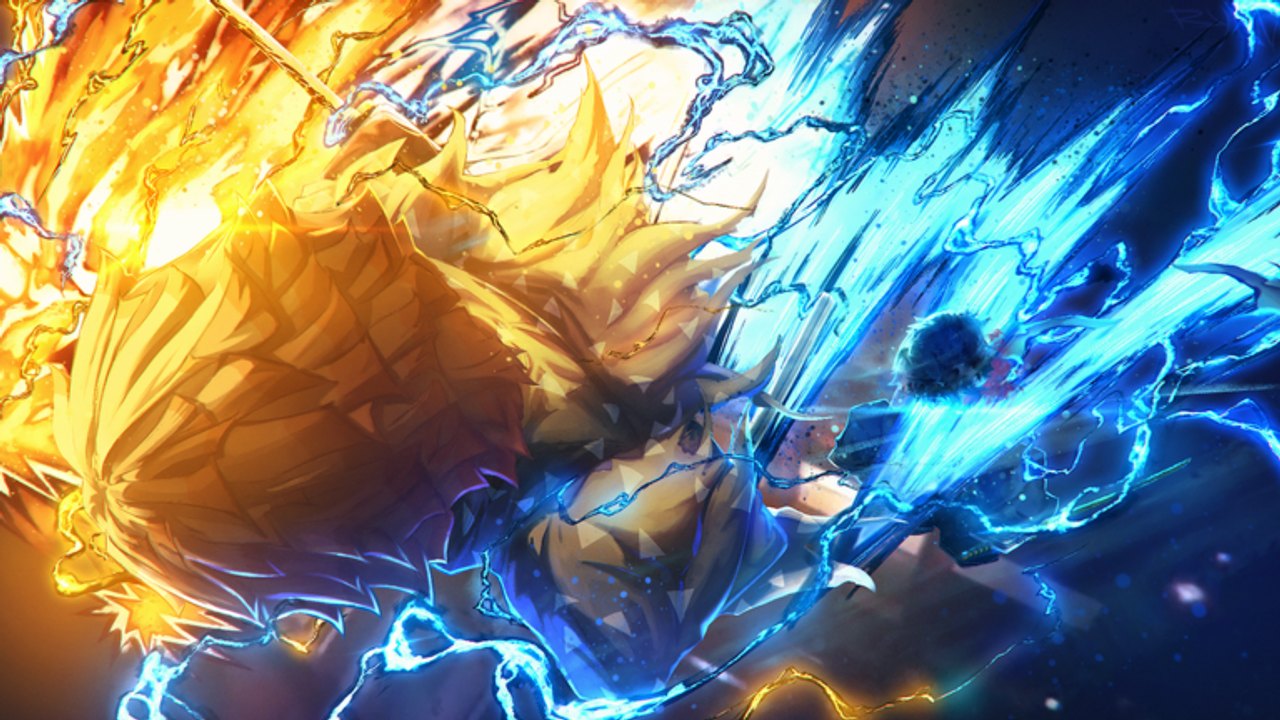
Lunar Breathing is the Mythical Slayer style most players associate with the late-October Lunar wave in SLAYER by kriel (Place ID 134190081223854). Public Trello documentation lists five named tools — Moonfall, Moongaze, Moondance, Evening Moon, and Misfortune — with clear roles: counter, guardbreak projectile slash, multi-hit string, tracking shots, and a large committed finisher. This page teaches those roles without inventing unverified damage frames. For comparative bands across all styles, keep Breathing Styles open. For the patch context and LUNARUPDATE code, see Lunar Update.
Lunar rewards players who already understand parry timing. If you cannot convert a timed F block into a punish, lab Combat before you burn pity on this style.
Documented moveset
| Move | Role | Practice note |
|---|---|---|
| Moonfall | Reactive counter that answers an incoming hit | Do not throw it at neutral as a poke |
| Moongaze | Guardbreaking forward slash after a short windup | Create space or a stun first; windup can be interrupted |
| Moondance | Six-hit sequence (two hits, pause, three hits, large finisher) | Treat the pause as a timing checkpoint opponents can escape |
| Evening Moon | Four tracking projectiles toward the nearest player | Verify target selection in groups |
| Misfortune | Large forward slash after a short windup | Use only on confirmed openings |
Exact damage, cooldowns, resource costs, and acquisition odds remain live-test fields. Re-lab after every balance pass listed on Updates.
Learn Moonfall first
Moonfall teaches Lunar’s identity: a counter needs an incoming attack. Practice against a readable single strike. Activate before impact, watch whether the response triggers, then test multi-hit strings, delayed swings, and guardbreaks.
Common failure: spamming Moonfall in neutral. A patient opponent lets it expire and punishes recovery. Use it when you have read a committed swing, then return to ordinary block and dash when the cue is unclear.
Use Moongaze against real guards
Moongaze is documented to guardbreak after a windup. That value appears when someone is actually blocking — not when you need a fast poke. Create distance or a brief stun, then fire. Against a moving target, the slash can miss even if the animation looks large.
If the opponent is not blocking, compare Moongaze with a faster M1 or another style tool. Guardbreak value answers defense; it is not automatically the highest-damage opener.
Treat Moondance as a staged string
Count the documented rhythm: two quick hits, a pause, three hits, then the final slash. During the pause, opponents may dash, block, or parry. If the full route is not guaranteed on your ping or in that matchup, stop early or only start Moondance after a stronger confirmation (for example a successful parry).
Near walls, camera and knockback change alignment. Practice in open space before assuming the same six-hit fantasy works everywhere.
Evening Moon target discipline
Evening Moon tracks the nearest player after a short windup. In a group fight, “nearest” can be an ally, a different rival, or someone off-camera. Create a clear lane and verify selection before you spend the bar.
Use the tracking to pressure movement, then save enough Breathing resource for a follow-up or escape. Projectiles are not a reason to stop watching the opponent’s hands.
Misfortune as a committed ender
Misfortune is a large forward slash with a windup. Size and spectacle can hide how punishable the recovery is. Fire it when you already earned an opening — after a parry, a guard break, or a confirmed launch — not as a hopeful neutral gamble.
Progression and sword gates
Raise Breathing Level through unlocked moves and hideout training, then clear gourd limit breaks at milestone levels (Progression, Hideout Training). Forge and equip a Nichirin so forms stop rejecting the wooden blade (Nichirin Forging).
Some FAQ cards discuss sword nodes under M → Character → Skills. Read the live tooltip — wording sometimes crosses Slayer/Demon terminology. Confirm the blade appears after the unlock before you keep spending points.
How Lunar tiers in the wider list
On the practical bands in Breathing Styles, Lunar sits with high-expression kits: strong once timings click, harder in the first hour than Flame or Water. It is not “broken by default” and it is not “trash because it is hard.” Pair Lunar with solid Combat habits and a clan that rewards the windows you already create (Clans, Slayer builds).
If you chased Lunar because of the LUNARUPDATE code name alone, redeem the code on Codes, then decide whether the counter fantasy matches how you like to play.
Common mistakes
- Throwing Moonfall without an incoming attack
- Using Moongaze from too close and eating a counter during windup
- Assuming Moondance’s pause cannot be escaped
- Letting Evening Moon select the wrong nearby player
- Spending skill points on an outdated node position without reading the current effect
- Skipping Final Selection / Nichirin and blaming Lunar when forms refuse to cast
Related pages
Lab the counter first. In SLAYER, Lunar players who read swings will always look stronger than Lunar players who only chase highlight-reel finishers.
Frequently Asked Questions
Quick answers to the most common questions.
Is Lunar Breathing Mythical in SLAYER?
Public documentation lists Lunar as a Mythical Slayer style. Exact roll odds remain a live-test field — confirm on the in-game roll screen.
What is Moonfall used for?
Moonfall is a reactive counter. Use it against a readable incoming attack, not as a neutral poke.
How many Lunar moves are documented?
Five: Moonfall, Moongaze, Moondance, Evening Moon, and Misfortune.
Should beginners main Lunar Breathing?
Only if you enjoy counter reads. Flame or Water are simpler first-hour pressure tools while you learn parries and Final Selection.